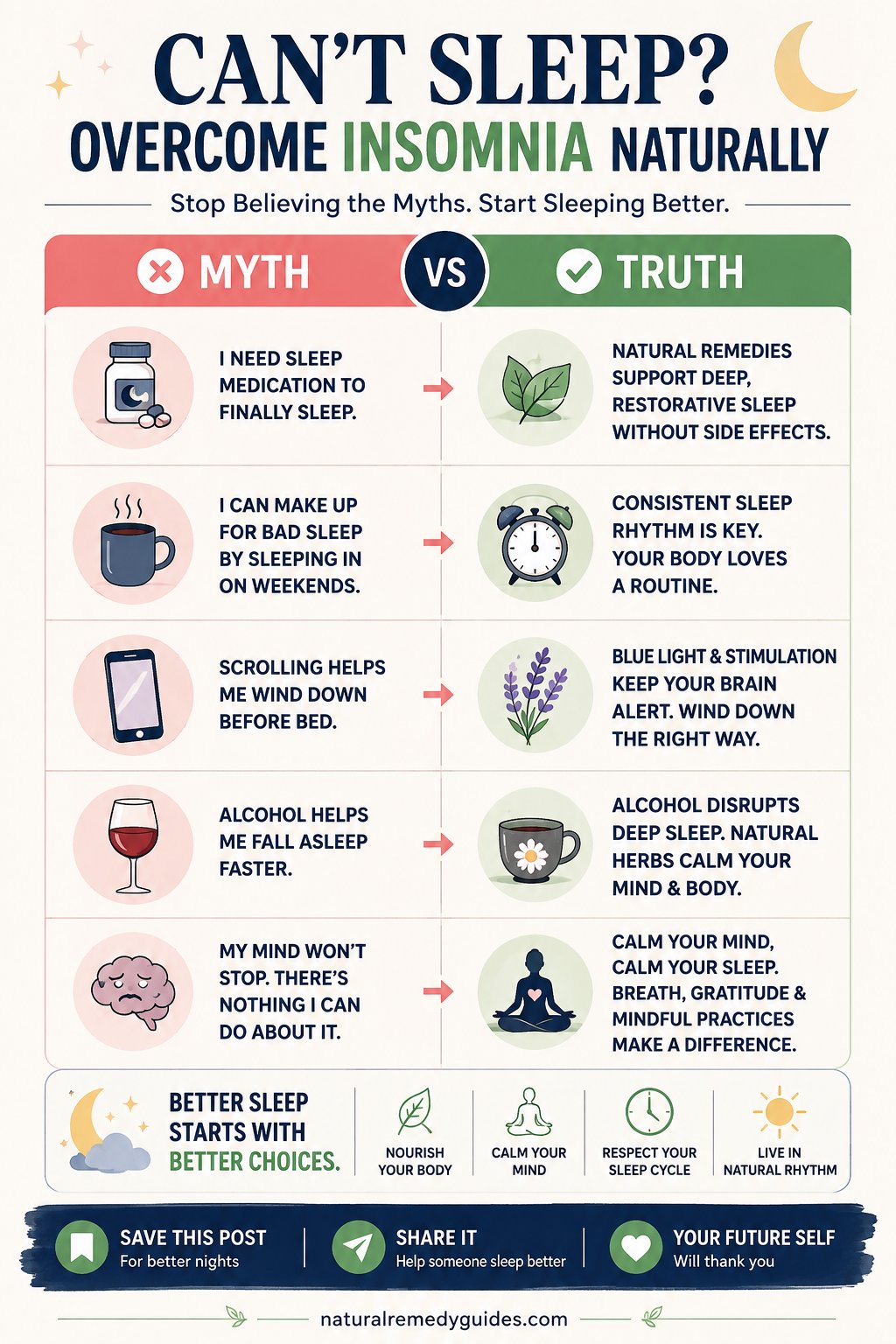
What it is: Learning how to overcome insomnia naturally means addressing the root causes keeping your brain awake: an overstimulated nervous system, an out-of-sync circadian clock, and the frustrating habit of lying in bed worrying about not sleeping.
Does it work: Yes. The American College of Physicians formally recommends Cognitive Behavioral Therapy for Insomnia (CBT-I) as the first-line treatment for chronic sleeplessness, outperforming sleep medications in long-term clinical trials without next-day grogginess or dependency.
The evidence: Extensive clinical trials demonstrate that structured sleep conditioning techniques restore natural sleep drive within 3 to 6 weeks. Gentle botanicals and magnesium provide soothing support while you reset your habits.
Verdict: Don't rely on pills that leave you foggy. Use a structured, step-by-step natural sleep program (such as INSOMNIAC) to re-train your mind and body for effortless, uninterrupted sleep.
Learning how to overcome insomnia naturally begins with resetting your biological sleep drive rather than knocking yourself out with groggy morning sedatives. If you dread bedtime because you know you'll be lying awake staring at the clock past 2:00 AM, you are caught in the classic insomnia trap. The harder you try to force yourself to sleep, the more your nervous system pumps out adrenaline—keeping you exhausted yet completely wired.
Most people turn to over-the-counter sleep aids or prescription pills out of desperation. But sleeping pills are chemical sledgehammers. They force artificial unconsciousness while suppressing the deep slow-wave and REM sleep your brain needs to recharge. You wake up with heavy brain fog, and the moment you stop taking them, the rebound sleeplessness is twice as intense.
Break the Insomnia Cycle & Sleep Soundly Tonight
Discover the INSOMNIAC Natural Sleep Program →Instant digital access • Step-by-step sleep retraining • 60-day money-back guarantee
How to Overcome Insomnia Naturally: The Three Root Causes
When sleeplessness becomes chronic, it is rarely due to a physical inability to sleep. Clinical sleep psychologists have found that three interlocking root causes keep your brain stuck in daytime mode:
- Autonomic Nervous System Hyper-Arousal: Stress and screen exposure keep your sympathetic nervous system ("fight-or-flight") turned on. Your body feels exhausted, but your brain remains on high alert scanning for problems.
- Circadian Clock Drift: Irregular sleep schedules, late-night artificial lighting, and lack of bright morning sunlight blur your brain's internal clock, disrupting natural evening melatonin release.
- Conditioned Mattress Stress: After weeks of tossing and turning, your brain subconsciously links your bed with anxiety, frustration, and clock-watching instead of rest and comfort.
Natural Sleep Interventions: Clinical Comparison
| Method | What It Does in the Body | Long-Term Effectiveness |
|---|---|---|
| Behavioral Sleep Retraining (CBT-I) | Breaks the subconscious mental link between the bed and nighttime anxiety | Gold Standard: 70–80% success rate across randomized clinical trials; permanent results without drugs |
| Morning Light Entrainment | 15–30 minutes of natural outdoor sunlight upon waking to set your internal clock | High: Sets the internal countdown timer for natural melatonin surge 14 to 16 hours later |
| Magnesium Glycinate | Relaxes tight muscle fibers and supports GABA calming pathways in the brain | Gentle Helper: Relieves physical restlessness without morning medication grogginess |
| Prescription Sedatives | Artificially depresses central nervous system activity through chemical sedation | Low Long-Term: Masking symptoms; high risk of tolerance, dependency, and severe rebound insomnia |
Natural Sleep Retraining: Pros & Cons
Why It Actually Works
- Addresses the real neurological triggers rather than drugging your brain
- Zero morning medication hangover, daytime grogginess, or memory fog
- Rebuilds permanent, lifelong confidence in your body's natural ability to sleep
- Can be done entirely from the comfort of your own home at your own pace
- Formally endorsed by the American College of Physicians as first-line therapy
What to Keep in Mind
- Requires 2 to 3 weeks of consistent daily commitment to retrain bedtime habits
- You must be willing to put down bright phone and laptop screens before bed
- Not a 30-minute knockout pill — it is a permanent biological reset
The Step-by-Step Protocol to Retrain Your Sleep Drive
To end chronic sleeplessness for good, you need a structured roadmap that breaks down the anxiety loop. Instead of lying in bed staring at the ceiling, sleep researchers recommend getting out of bed after 20 minutes of wakefulness, sitting in a dim room with a quiet book, and returning to bed only when your eyelids feel heavy. This single technique reconditions your brain to associate the mattress exclusively with sleep.
The INSOMNIAC Program packages these physician-endorsed CBT-I techniques into an easy-to-follow, step-by-step home guide. Backed by a full 60-day satisfaction guarantee, it provides the exact roadmap you need to reclaim peaceful, uninterrupted sleep every night.
Frequently Asked Questions About Overcoming Insomnia Naturally
Why doesn't basic sleep hygiene work for chronic insomnia?
Basic tips like keeping your room dark and cool help optimize your surroundings, but they cannot switch off an overactive, racing nervous system. When your brain has learned to associate your bed with tossing and turning, you need a structured behavioral reset to break that mental cycle.
How effective are digital sleep retraining programs compared to in-person clinics?
Major clinical reviews published in the Annals of Internal Medicine and JAMA show that structured digital behavioral sleep programs deliver results equal to in-person sleep clinic therapy, with sleep quality improvements lasting over a year later.
Can supplements like melatonin or magnesium cure insomnia on their own?
While magnesium helps relax tight muscles and low-dose melatonin can nudge your internal clock, clinical sleep studies show they are gentle helpers rather than standalone cures. True, lasting sleep recovery requires retraining your bedtime habits.
Break the Insomnia Cycle for Good
Get the INSOMNIAC Comprehensive Sleep Guide →Evidence-based digital sleep therapy • 100% natural • 60-day satisfaction guarantee
Clinical References & Scientific Guidelines
- Annals of Internal Medicine: Qaseem A, et al. Management of Chronic Insomnia Disorder in Adults: A Clinical Practice Guideline from the American College of Physicians (PMID: 27136449).
- Annals of Internal Medicine: Trauer JM, et al. Cognitive Behavioral Therapy for Chronic Insomnia: A Systematic Review and Meta-analysis (PMID: 26054060).
- Journal of Clinical Sleep Medicine: Sateia MJ, et al. Clinical Practice Guideline for the Treatment of Chronic Insomnia in Adults: An American Academy of Sleep Medicine Guideline (PMID: 27998379).
FDA Disclaimer: These statements have not been evaluated by the Food and Drug Administration. This guide is for educational purposes and is not intended to substitute for professional medical care.
Independent Wellness Research & Editorial Standards
Our Wellness Research Approach: We explore publicly available scientific literature, nutritional research, botanical studies, and traditional wellness practices to help readers understand natural supplements and healthy lifestyle habits. Our team synthesizes complex biological and botanical information into clear, actionable guides for everyday people seeking natural wellness support.
Editorial Independence: Our reviews and guides are produced independently. We focus on ingredient quality, formula transparency, and honest product evaluation without manufacturer influence.
Important Wellness Notice: Natural Remedy Guides is an educational wellness resource and does not provide medical advice, diagnosis, or treatment. Dietary supplements are not intended to diagnose, treat, cure, or prevent any medical condition. Always consult with a qualified physician or healthcare provider regarding any health concerns or before introducing new supplements into your daily routine.