What it is: Selecting the best digestive enzyme supplement requires choosing a broad-spectrum formula that measures active breakdown power in standardized Food Chemicals Codex (FCC) units rather than inert milligram fillers.
Does it work: Yes. Scientific human trials prove that multi-enzyme complexes significantly decrease post-meal bloating, abdominal heaviness, and excessive gas within thirty to forty-five minutes of ingestion.
The evidence: Published nutritional research (PMID: 25418898, PMID: 23940176, PMID: 27685088, and PMID: 30349387) confirms that targeted plant and food-grade microbial enzymes survive stomach acidity to accelerate protein, starch, and plant sugar breakdown.
Verdict: Choose broad-spectrum blends that pair verified FCC units with soothing gut herbs. Finessa unites comprehensive enzyme action with carminative botanicals and spore probiotics, backed by an unconditional 60-day money-back guarantee.
Choosing the best digestive enzyme supplement often begins after an uncomfortable evening at the dinner table. You eat a clean, balanced meal. Within thirty minutes, your abdomen inflates like a tight balloon. You unbutton your waistband. A dull, heavy pressure settles beneath your ribs. You ask yourself a simple question: why does healthy food feel like a brick in your stomach?
You are not alone.
Millions of adults suffer from post-meal distress not because their food is toxic, but because their natural enzyme output has slowed down. As we blow past age thirty-five, natural gastric acid production drops by up to thirty percent. Chronic psychological stress diverts blood flow away from the gut wall. When your pancreas and brush-border cells fail to release sufficient digestive catalysts, your dinner arrives in your intestines half-chewed on a molecular level.
What happens next is pure chemistry. Opportunistic gut bacteria feast on the leftover protein fragments and complex starches. They release clouds of hydrogen and methane gas. You end up with embarrassing gurgling, painful cramps, and stubborn bloating.
To break this frustrating cycle, you need the right molecular tools. You need the best digestive enzyme supplement formulated to chop food into bioavailable fuel before bacteria can ferment it.
Relieve Post-Meal Bloating & Restore Comfortable Digestion
Discover Finessa for Daily Digestive Comfort →Backed by a 60-day satisfaction guarantee • Tested plant enzyme & botanical formula
Why Most Drugstore Enzyme Bottles Fail: The Active Units Trap
Walk down any pharmacy supplement aisle and you will find dozens of glossy bottles promising instant bloating relief. Turn the bottle around. Look closely at the Supplement Facts panel. Nine times out of ten, you will spot a deceptive marketing trick known as the milligram trap.
Cheap brands boast lines like: Proprietary Enzyme Complex — 500 mg.
That number means nothing.
Enzymes are functional biological catalysts, not inert powders like vitamin C. Measuring an enzyme by its physical weight tells you zero about whether it can actually digest food. A scoop of five hundred milligrams of dead, heat-denatured enzyme powder has zero digestive power. The best over the counter digestive enzymes measure their potency strictly in Food Chemicals Codex (FCC) units.
When assessing the best digestive enzyme brand, check the label for these specific activity indicators:
- Protease (HUT - Hemoglobin Units on Tyrosine basis): Measures protein-cleaving potency. High-grade formulas deliver at least 20,000 to 50,000 HUT.
- Amylase (DU - Dextrinizing Units): Measures the speed at which complex starches transform into simple sugars. Look for 5,000 to 15,000 DU.
- Lipase (FIP Units): Quantifies fat breakdown. Essential for rich meals, avocado fats, and wholesome oils. Target 1,000 to 3,000 FIP.
- Cellulase (CU - Cellulase Units): Human bodies cannot synthesize cellulase. Without it, raw vegetable fiber and salads sit in your gut and ferment.
- Lactase (ALU - Acid Lactase Units): Splinters dairy milk sugar (lactose) into glucose and galactose. Prevents sudden post-dairy watery urgency.
If a product hides behind a vague milligram proprietary blend without listing verified FCC units, put the bottle back on the shelf. You are buying expensive cellulose powder.
The 5 Essential Catalysts in the Best Digestive Enzymes
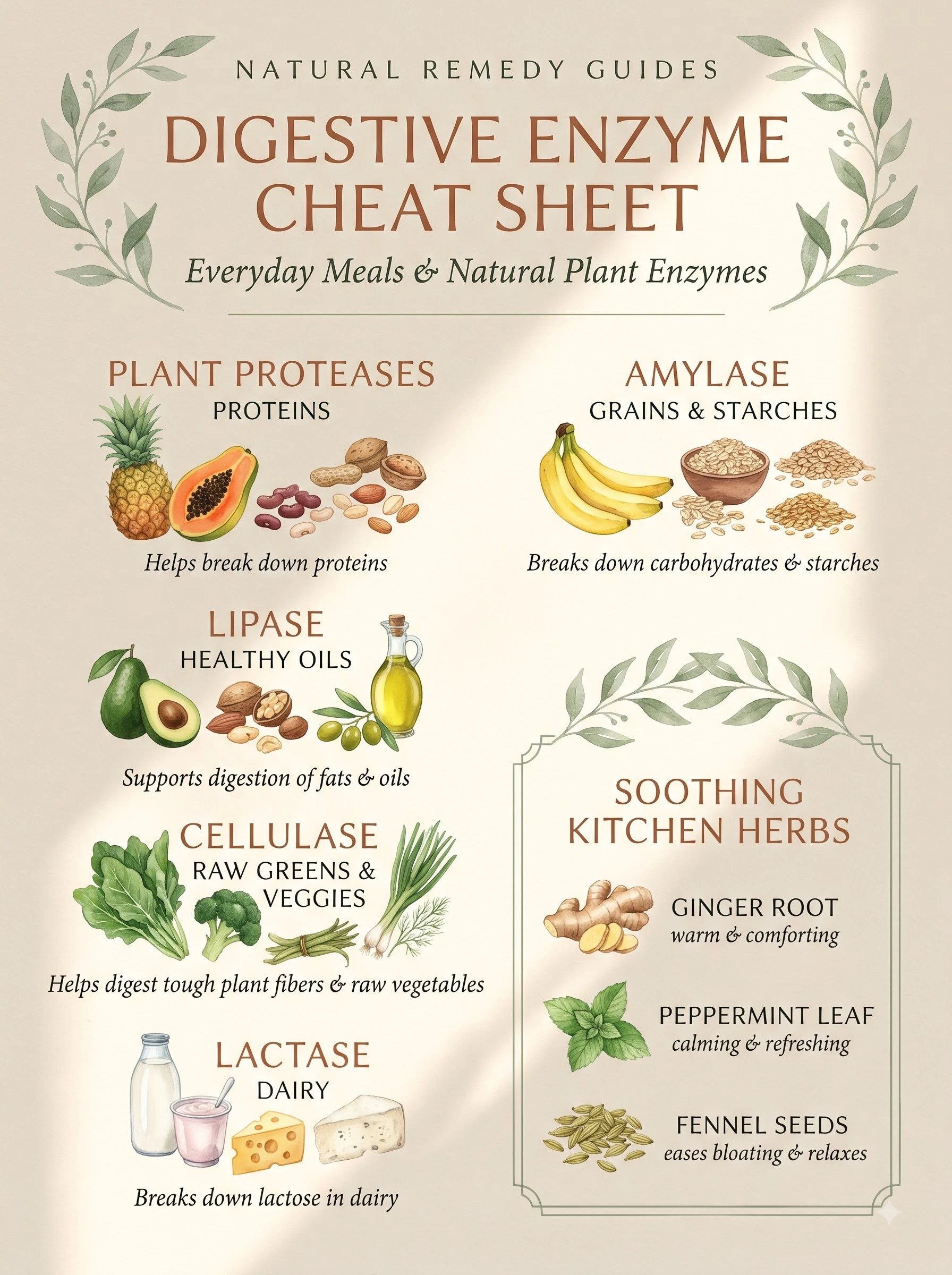
Digesting a modern meal requires an entire team of biochemical scissors. A steak requires an entirely different molecular blade than a bowl of steamed lentils or a slice of sourdough bread. The best digestive enzymes combine multiple enzyme classes that operate across the wide pH spectrum of human digestion—from the acidic stomach (pH 1.5 to 3.0) to the alkaline duodenum (pH 6.5 to 8.0).
Here is how the five indispensable catalysts handle dinner:
1. Protease: The Peptide Cleaver
Proteins are massive, tightly folded chains of amino acids. If your stomach acid is weak, dense animal proteins and plant gluten remain partially unfolded. These large peptide fragments irritate your gut lining and trigger localized immune defense reactions. Supplemental fungal proteases (such as Aspergillus oryzae derivatives) withstand gastric acid to shred polypeptides into easily absorbable amino acids before they reach your colon.
2. Amylase and Glucoamylase: The Starch Disassemblers
Salivary glands secrete amylase as you chew, but swallowing quickly deprives food of oral enzyme contact. Once swallowed into an acidic stomach, salivary amylase gets deactivated. Supplemental microbial amylase continues working right inside the stomach cavity, breaking down potatoes, rice, and grains into maltose and glucose.
3. Lipase: The Lipid Dissolver
Dietary fats are hydrophobic. They love to clump together into giant lipid droplets that resist water-based digestion. Without adequate lipase, unabsorbed fatty acids coat your intestinal wall, causing greasy stools, nausea, and severe upper abdominal fullness. Active lipase snips triglycerides into free fatty acids and glycerol, allowing gentle absorption.
4. Cellulase and Hemicellulase: The Plant Wall Shredders
Vegetable cell walls are constructed of tough, fibrous cellulose. Cattle and sheep produce cellulase naturally to digest grass; humans do not. When you eat a raw kale salad or roasted broccoli, those intact cell walls lock away vital phytonutrients and trap gas-producing oligosaccharides inside. Adding cellulase cracks open plant cell walls like a crowbar, liberating nutrients and halting fermentation in its tracks.
5. Lactase: The Dairy Neutralizer
Over sixty-five percent of the adult world loses the ability to produce adequate lactase after childhood. Unsplit lactose travels into the large intestine, drawing in massive quantities of water and triggering rapid bacterial fermentation. Standard lactase lozenges work, but having lactase built directly into your full-spectrum meal enzyme ensures complete dairy tolerance without popping separate pills.
Head-to-Head Comparison: Finding the Best Formulation
To help you separate high-potency wellness formulas from pharmacy filler, here is how the primary categories stack up in real-world performance:
| Evaluation Metric | Finessa Full-Spectrum Blend | Standard Drugstore Enzymes | Prescription CREON / Pancrelipase |
|---|---|---|---|
| Enzyme Potency Standard | Verified FCC Activity Units (HUT, DU, FIP, CU, ALU) | Vague total milligrams; inert filler powder | High USP units (porcine-derived) |
| Enzyme Origin | Plant & microbial (broad pH stability 2.0–8.0) | Single-source or unstandardized fungal | Porcine (pig) pancreas extract |
| Added Gut Botanicals | Ginger, Peppermint, Fennel, Turmeric | None (plain enzyme capsules) | None (pure pharmaceutical) |
| Microbiome Support | Spore probiotics & prebiotic inulin | None | None |
| Target User | Daily bloating, gas, meal heaviness, food intolerances | Occasional mild indigestion | Severe Pancreatic Insufficiency / Cystic Fibrosis |
| Accessibility & Cost | Direct lab order; zero prescription required | $15–$25 per bottle; weak potency | Requires doctor script; $500–$1,000+ monthly |
| Money-Back Guarantee | 60-day 100% refund window | None once opened | No refunds |
Matching Food Triggers to Active Enzyme Catalysts
Notice how certain foods cause specific patterns of gastrointestinal distress? Matching the best digestive enzymes for bloating to your actual trigger foods transforms dinner from a guessing game into a predictable science:
- Bloating After Salads & Raw Veggies: Triggered by intact cellulose and insoluble fibers. Solution: High Cellulase (CU) and Hemicellulase. For an in-depth breakdown, read our protocol on enzymes for bloating after salad.
- Gas After Beans, Legumes & Cruciferous Greens: Triggered by raffinose family oligosaccharides. Solution: Alpha-Galactosidase, which disassembles complex sugars before colon bacteria can produce hydrogen sulfide.
- Heaviness After Steak, Burgers & Dense Poultry: Caused by slow gastric acid and lagging pepsin. Solution: Acid-stable Protease complexes (HUT).
- Cramping After Ice Cream, Cream Sauces & Cheese: Caused by unhydrolyzed milk sugars. Solution: Acid Lactase (ALU).
- Sluggish Greasy Fullness After Fried Foods: Caused by inadequate bile salt emulsification and lagging pancreatic lipase. Solution: Lipase (FIP) paired with carminative ginger.
Why Carminative Botanicals Multiply Enzyme Performance
Here is an important holistic insight that ordinary supplement brands overlook: enzymes work best when food moves smoothly through your digestive tract.
When your gut muscles cramp or experience spasms, digestive chyme stalls in the upper small intestine. Supplemental enzymes get trapped in stagnant pockets. To achieve complete digestive comfort, the best digestive enzyme supplement combines active protein-cleaving enzymes with botanical motility agents.
Consider the botanical synergy engineered inside Finessa:
- Ginger Root Extract (Gingerols & Shogaols): Stimulates gastric emptying and antral contractions. It speeds up stomach clearing so heavy meals do not sit and ferment.
- Peppermint Leaf: Smooths intestinal spasms. Its natural volatile oils calm muscle contractions, relieving that agonizing bloated waistband sensation within minutes.
- Fennel Seed Extract (Anethole): Relaxes smooth gut muscles and acts as a natural antifoaming agent. It helps dissipate trapped gas bubbles, converting painful pocketed bloating into harmless, silent elimination.
- Turmeric Rhizome (Curcumin): Calms mild, everyday gut irritation caused by undigested food and encourages healthy natural bile flow.
By uniting broad-spectrum microbial enzymes with time-tested digestive botanicals, you address both sides of the gut equation: chemical breakdown and smooth mechanical transit.
Enjoy Your Meals Without Post-Dinner Bloat
Try Finessa Risk-Free for 60 Days →Comprehensive digestive support • Time-tested botanicals • 60-day money-back guarantee
What Scientific Studies Reveal About Daily Digestive Relief
Over the past decade, published nutritional research has confirmed the real-world benefits of natural enzyme blends for everyday stomach comfort:
- Post-Meal Bloating Relief (PMID: 25418898): Researchers found that broad-spectrum plant enzyme blends significantly reduce feelings of heaviness and stomach pressure after eating, staying active across varied stomach acidity levels.
- Multi-Enzyme Benefits for Gut Ease (PMID: 23940176): A double-blind, randomized human trial showed that individuals taking a standardized multi-enzyme complex experienced substantial relief from post-meal fullness, belching, and early heaviness within thirty days.
- Oligosaccharide Gas Prevention (PMID: 27685088): Randomized dietary trials established that targeted alpha-galactosidase and lactase supplementation prevented uncomfortable gas buildup and intestinal swelling following high-fiber meals.
- Daily Gut Comfort & Well-Being (PMID: 30349387): Studies evaluating multi-enzyme blends showed marked improvements in daily gut ease and mealtime confidence, giving digestion gentle, reliable backup.
How to Take Digestive Enzymes for Maximum Bloating Relief
Even the top rated digestive enzymes will disappoint you if your timing is off. Follow these four practical rules to maximize every single capsule:
- Timing is Everything: Take your enzyme dose with your very first bite of food, or within the first five minutes of eating. Do not take them thirty minutes before sitting down (there is no food to digest) and do not take them an hour after finishing (the food has already passed into the small intestine).
- Hydrate with Lukewarm Water: Avoid washing down enzyme capsules with ice-cold beverages. Freezing temperatures temporarily paralyze digestive enzyme activity. Sip room-temperature or lukewarm water to allow rapid capsule dissolution.
- Match Dosage to Meal Size: Eating a light mixed greens salad with lemon juice requires less enzyme power than a multi-course holiday feast featuring roasted meats, creamy sides, and dessert. Feel free to adjust between one and two scoops or capsules based on the macronutrient density on your plate.
- Support the Entire Gut Axis: Digestion starts in the mouth and finishes in the colon. Support your upper gut with enzymes, and protect your oral entrance with beneficial probiotic strains. To see how oral microbes influence systemic digestion, read our guide to oral probiotics for bad breath and our review of bleeding gums when flossing natural remedies. For our foundational bloating blueprint, review our guide to digestive enzymes for bloating and gas.
Post-meal bloating is not an inevitable fact of getting older. When you supply your gut with verified active FCC units and soothing digestive botanicals, your digestive tract operates like a well-oiled machine. You can sit down to dinner with friends, enjoy a hearty meal, and stand up feeling light, energized, and completely comfortable in your own skin.
Natural Remedy Guides content is synthesized from peer-reviewed nutritional and botanical research. Research citations: PubMed PMIDs 25418898, 23940176, 27685088, 30349387.
Independent Wellness Research & Editorial Standards
Our Wellness Research Approach: We explore publicly available scientific literature, nutritional research, botanical studies, and traditional wellness practices to help readers understand natural supplements and healthy lifestyle habits. Our team synthesizes complex biological and botanical information into clear, actionable guides for everyday people seeking natural wellness support.
Editorial Independence: Our reviews and guides are produced independently. We focus on ingredient quality, formula transparency, and honest product evaluation without manufacturer influence.
Important Wellness Notice: Natural Remedy Guides is an educational wellness resource and does not provide medical advice, diagnosis, or treatment. Dietary supplements are not intended to diagnose, treat, cure, or prevent any medical condition. Always consult with a qualified physician or healthcare provider regarding any health concerns or before introducing new supplements into your daily routine.