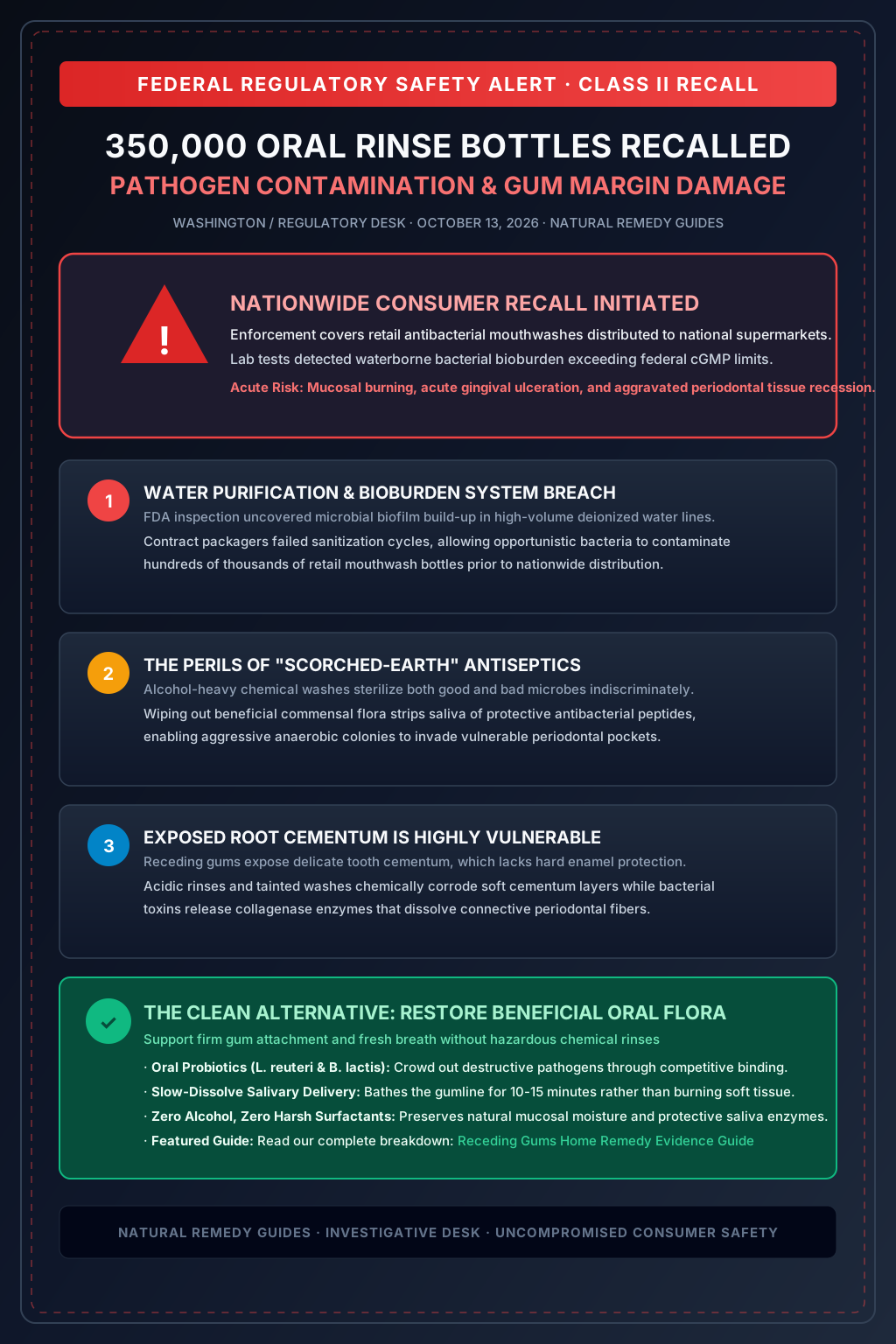
If you gargle with an over-the-counter antibacterial mouthwash every morning to combat bleeding gums or chronic bad breath, check the lot number on your bathroom vanity immediately. A product sold to cleanse your mouth may actually be delivering millions of opportunistic microbes directly to your vulnerable gumline.
The U.S. Food and Drug Administration (FDA) has escalated an urgent Class II nationwide recall covering more than 350,000 bottles of retail antibacterial and whitening oral rinses distributed across prominent supermarket and drugstore chains nationwide. Federal enforcement notices confirm that routine microbiological surveillance discovered substantial Current Good Manufacturing Practice (cGMP) breaches at contract manufacturing facilities, resulting in finished goods harboring unacceptable microbial bioburden—specifically opportunistic waterborne pathogens including Burkholderia cepacia and Pseudomonas species.
The regulatory action stems from clean-in-place sanitation failures on high-speed liquid packaging lines, where contaminated deionized water filtration systems seeded commercial batches prior to nationwide distribution.
Introducing microbial-contaminated solutions into the oral cavity presents severe health hazards, especially for individuals with gingivitis, periodontal pockets, or receding gums. Tainted washes bypass epithelial defenses, driving acute bacterial ulcerations, mucosal burning, and rapid connective tissue degradation along exposed tooth root margins.
The Cost-Cutting Trap on High-Speed Bottling Lines
Why do mass-market oral care products repeatedly fail basic microbial quality standards?
The answer lies in aggressive contract manufacturing economics. Major retail chains contract out private-label oral rinses to high-volume liquid bottling plants operating on razor-thin margins. These facilities pump tens of thousands of gallons of municipal tap water through deionized purification loops daily. When industrial reverse-osmosis membranes and UV sanitizers miss scheduled maintenance cycles, bacterial biofilms flourish inside storage tanks and transfer piping.
Instead of shutting down operations for deep sanitization, contract packers often increase chemical preservatives. But when synthetic stabilizers degrade, dormant waterborne bacterial colonies rapidly multiply at room temperature inside sealed plastic bottles.
Why “Scorched-Earth” Chemical Washes Destroy Gum Health
This nationwide recall exposes a critical flaw in conventional oral hygiene: treating your mouth like a sterile kitchen counter.
Millions of consumers instinctively swish high-alcohol (15% to 27%) antiseptic rinses or harsh peroxide washes whenever they notice gum bleeding or morning breath. In reality, chemical antiseptics act like a scorched-earth defoliant. They indiscriminately annihilate both good and bad microorganisms, wiping out essential commensal strains like Lactobacillus reuteri, L. paracasei, and Bifidobacterium lactis.
Your oral microbiome relies on these friendly bacteria to produce protective bacteriocins and maintain salivary moisture. When chemical washes strip your mouth bare, opportunistic anaerobic bacteria rapidly recolonize the gingival sulcus. These destructive invaders secrete collagenase enzymes that dissolve the delicate periodontal fibers anchoring your gums to your teeth, accelerating gumline recession.
Furthermore, receded gums leave delicate tooth root cementum exposed. Unlike tooth enamel, soft cementum is easily corroded by acidic chemical rinses and microbial toxins.
4 Steps to Safeguard Your Gumline and Oral Health
To shield your oral cavity from contaminated retail batches and protect fragile gum tissue:
- 1. Audit Your Bathroom Vanity: Inspect lot numbers on all store-brand antiseptic rinses and peroxide mouthwashes. Immediately dispose of any flagged containers or any open bottle older than 60 days.
- 2. Eliminate Harsh Alcohol Rinses: Discontinue using burning chemical mouthwashes that dehydrate mucous membranes, strip protective saliva enzymes, and trigger rebound bacterial dysbiosis.
- 3. Protect Vulnerable Root Cementum: Never scrub receding gums with stiff bristles or abrasive whitening powders. Exposed root surfaces require gentle mechanical hygiene and pH-neutral care.
- 4. Restore Commensal Bacterial Balance: Rebuild your oral microbiome from within. Slow-dissolving oral probiotic lozenges introduce billions of beneficial strains that physically crowd out subgingival pathogens, suppress tissue-degrading collagenase enzymes, and support firm gum margins naturally.
Natural Remedy Guides continues tracking federal laboratory enforcement actions, cGMP audits, and retail consumer recalls.